Worsted and woolen describe two systems for preparing and spinning fibers, most commonly discussed in relation to wool. The terms also apply to cashmere and certain blends; they describe how a yarn is made, rather than naming its fiber content. The following sections use wool as an example to explain the difference between the two […]
The benefits of merino wool, including softness, warmth, and moisture management, make it a popular choice for knitwear. But those qualities often come with a higher price. The cost starts with raising sheep and selecting suitable wool. Cleaning, spinning, dyeing, and garment manufacturing add further costs before the product reaches a brand. For clothing brands, […]
Two yarns can both be made from Merino wool yet look and feel quite different. One may be smooth and compact, while the other is airy, with a soft, fuzzy surface. Why does the same type of wool produce such different results? The answer starts with the fleece itself and continues through the mill. After […]
A cotton polo, a cashmere cardigan, and a textured bouclé sweater can share a similar silhouette while feeling completely different to wear. Yarn selection influences the softness, warmth, drape, surface texture, and care requirements of each garment. It also affects how a design performs after repeated wearing and washing. The main types of knitting yarn […]
Two sweaters can carry the same “100% Merino wool” label and feel very different. One slips comfortably under a jacket; another has a full, textured surface and enough body to work as an outer layer. The difference starts with the fiber, but it continues through the yarn, knitting and finishing. For a clothing brand, choosing […]
Your favourite wool sweater fits just right. The sleeves, the softness, the way it sits on your shoulders—you want to keep all of it. Then wash day arrives. Can it go in the machine? Will it shrink? And where should you leave it to dry? Caring for wool needn’t be complicated. A few simple habits […]
Merino wool comes from Merino sheep and is valued for fine fibers that often feel comfortable next to skin. It is used in warm sweaters, light base layers, and socks that may resist odors between washes. How any one of those garments feels and performs depends on its weight, construction, fiber blend, and care requirements. […]
The cardigan you wear over a dress, the one you button up as a top, and the layer you slip under a coat may look similar on a hanger. Once you put them on, the front, hem, and sleeves make all the difference. From familiar button-ups and open-front cardigans to cropped styles, shrugs, and long […]
On a cold morning, you pull on a sweater without a second thought. But how does yarn become sleeves, a neckline and a body that fits? Making one from yarn is another story. Machine knitting has a long history. In 1589, William Lee developed the stocking frame, the first mechanical knitting machine. Today, some industrial […]
You know knits are stretchy, but a woven version of the same design feels stiff. This fundamental difference can make or break a garment’s comfort and fit, leading to frustrating design compromises. Knitted fabrics get their elasticity from their structure of interconnected loops. These loops can stretch and deform when pulled, then return to their […]
Finding a truly sustainable knitwear partner is hard. A wrong choice risks your brand’s reputation and quality. Let’s look past labels to see what really matters for your brand. Choose a manufacturer by evaluating their entire production system, not just their materials. Look for traceable yarns, waste-reducing tech like fully-fashioned knitting, and proof of product […]
You stare at the washing machine, sweater in hand, feeling a sense of dread. The care label is confusing, and you know one wrong choice could lead to a shrunken, pilled disaster. For most knit sweaters, the safest machine-wash method is to place it in a laundry bag, use the ‘delicates’ or ‘wool’ cycle with […]
You’re trying to describe the perfect sweater, but the words get tangled. Is it knitwear or a sweater? A crewneck or a drop-shoulder? This confusion can make designing or even shopping feel overwhelming. Pullover sweaters are primarily defined by their structure, such as the neckline (crewneck, V-neck, turtleneck) and silhouette (fitted, oversized, drop-shoulder). The knitting […]
You want to design a pullover that sells, but you’re worried about technical mistakes. The wrong yarn or a bad fit can lead to production issues and unhappy customers, wasting time and money. A successful pullover design balances the target silhouette with the right yarn and knit structure. Key factors are the fit, neckline style, […]
You know what a cardigan is, but the term seems to cover everything from a thin summer layer to a chunky winter coat. This makes it hard to define and even harder to shop for, leaving you unsure of what you’re actually looking for. A cardigan is a type of knitted sweater that opens down […]
Your closet is full of sweaters with shoulder bumps from hangers or deep creases from being folded badly. You’re ruining your favorite knits just by storing them the wrong way. The best way to fold sweaters is the file fold method. Lay the sweater face down, fold the arms and sides in to create a […]
The terms "knitwear" and "sweater" are often used interchangeably. But for professionals, using the right term matters. Getting it wrong can create confusion in design, manufacturing, and marketing. "Knitwear" is the broad category of all clothing made by knitting yarn into loops. A "sweater" is a specific type of knitwear—a knitted garment for the upper […]
A sweater may feel soft and luxurious in the showroom, but after only a few wears the surface begins to fuzz, pill, and lose its clean appearance. Many fashion brands discover too late that pilling is one of the most common quality complaints in knitwear. Preventing pilling in knitwear development requires balancing yarn quality, stitch […]
A sweater may look premium on the first day it is sold, but true knitwear quality is measured by how well it performs after repeated wear, washing, stretching, and seasonal storage. Many fashion brands discover that durability problems often appear only after products reach the customer — including pilling, shape distortion, seam stress, or fabric […]
Launching a knitwear collection sounds exciting until minimum order quantities become the first major obstacle. Many emerging brands discover that traditional factories require production volumes far beyond what early-stage collections can realistically support. Low MOQ knitwear manufacturers help brands reduce inventory risk, test product ideas faster, and develop collections more flexibly. However, successful low MOQ […]
Are your golf apparel samples looking polished in the showroom but losing shape after a few washes or rounds on the course? Many brands discover too late that golf apparel requires much more than basic sportswear production. A reliable golf apparel manufacturer must balance performance, structure, appearance, and long-term production consistency. The best suppliers understand […]
Your tech pack specifies a perfect crew neck, but the sample arrives with a sagging, wide opening. Or your V-neck looks sharp on paper but feels awkward and unbalanced on the body. This common problem can derail an entire design. A sweater’s neckline is not just a style element; it’s a critical piece of structural […]
Your sweater looks perfect on the mannequin, but after a few wears, the cuffs are blown out and the hem is flipping up. This makes a beautiful product look cheap and poorly made, leading to customer complaints and damaging your brand’s reputation. A sweater’s rib is not just an edge finish; it is a critical […]
You’ve meticulously specified the pattern measurements, yet the sample sweater fits completely differently than you envisioned. It’s either too clingy, too baggy, or loses its shape after one wear, sending you into a frustrating cycle of revisions. A sweater’s fit is determined more by its stitch structure than its measurements alone. The type of stitch—like […]
Your design called for a crisp, structured sweater, but the sample came back soft and drapey. Or worse, the bulk production run has pilling issues your sample never showed. These frustrations all lead back to one foundational choice. Yarn selection is about more than just fiber content; it dictates the knitwear’s entire performance, from texture […]
Your sample for a “chunky” sweater arrived feeling thin, or your “fine-gauge” knit came back surprisingly bulky. These mismatches between vision and reality are frustrating, costing you time and money on endless revisions. Gauge is the foundational parameter that dictates a sweater’s weight, texture, drape, and overall style. A low gauge number creates a thick, […]
You open your suitcase after a long flight, only to find your favorite sweater is a wrinkled, compressed mess. It has lost all its fluffy texture and takes up far too much space in your luggage. To pack a sweater efficiently, you should gently fold bulky wool or cashmere knits and tightly roll thin cotton […]
You have a vision for a unique sweater collection, but the path from a design idea to a finished product seems impossibly complex. You’re worried about high costs, technical mistakes, and finding a reliable partner. To make custom sweaters, you choose between two models: OEM (Original Equipment Manufacturer), where you provide a unique design, or […]
Trying to budget for a new knitwear collection can be incredibly difficult. The costs seem to vary wildly, making it hard to protect your margins without sacrificing the quality you stand for. The manufacturing cost of a sweater is driven by three main factors: yarn selection, labor time, and production technique. The final factory price […]
You see a beautiful sweater with a shocking price tag and wonder what you’re paying for. Is it the brand name, or something more? Let’s uncover the true cost. High-quality knitwear is expensive due to premium raw materials (like fine-gauge wool), expert craftsmanship, sustainable and certified sourcing, and intricate design development. You are paying for […]
You love a beautiful knit garment, but where does the yarn actually come from? The global supply chain is complex. Understanding it is key to quality. Most knitting yarn is produced in the Asia-Pacific region, with China offering the most complete and cost-effective supply chain. For high-end and luxury yarns, Europe, especially Italy, leads the […]
What is Ethical Clothing intended for you? Wage contracts and safe working conditions? Sustainable materials? Environmentally friendly? All of the above? In this article, we’ll explain what ethical clothing is, why it’s important, and provide you with the knowledge you need to make informed decisions about your fashion decisions. What is Ethical Clothing? ‘Ethical Clothing’, […]
China is acknowledged as a leading powerhouse in the manufacturing of sweaters; this production is significant for a large portion of the world. From high-end fashion to budget-friendly everyday wear, Chinese cities have a significant role in meeting the diverse demands of the market. This article intends to explore the most popular cities in […]
As a leading manufacturer of high-end knitwear in China, we’ve partnered with several European brands over the years. One consistent problem we have observed is the excessive amount of sample trash in the development of apparel products. This can be a costly and time-consuming problem that has an effect on both your revenue and your […]
Knitwear holds a prominent position in the global apparel industry, becoming a leader through a combination of practicality and broad appeal. There are two key countries in production and innovation in this industry: the United Kingdom and China. Both countries play a key role in the knitwear market, albeit in very different ways. The […]
Your knitwear samples look perfect but the final garments twist after washing or lose their shape completely. Why do some knitted pieces maintain perfect structure while others become unwearable after a few wears? The answer lies in understanding how courses and wales create the fundamental architecture that determines every aspect of knitted fabric performance. Courses […]
You dream of adding luxurious cashmere sweaters to your line, but the high stakes feel intimidating. The material is expensive, quality is hard to judge, and you worry that one wrong move could lead to a costly production failure. Private label cashmere is your gateway to the luxury market. It allows you to leverage a […]
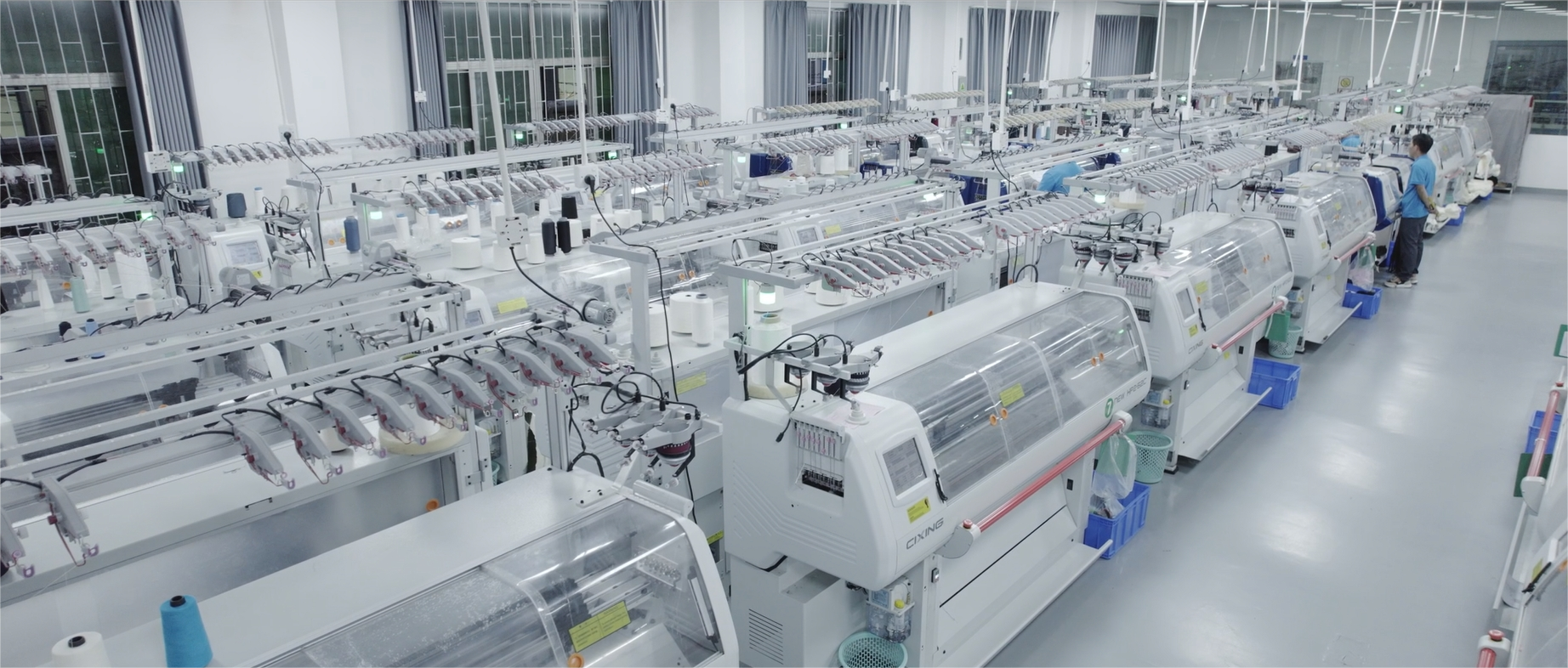
You want to create perfectly shaped sweaters, but the technical jargon is a barrier. This makes it hard to communicate your vision, leading to costly sampling errors and production delays. A flat knitting machine is a specialized tool that knits fabric in flat panels. Unlike other machines, it can add and subtract stitches to create […]
You’re afraid to wash your favorite jumper, fearing it will shrink or lose its shape. Another beautiful knit ruined, another waste of money. The secret is knowing a few simple rules. To wash a jumper properly, always use cold water (under 30°C) and a gentle, wool-specific detergent. Hand wash it carefully, avoid wringing it out, […]
You keep hearing the term “gauge” in factory meetings, but it feels like a secret code. Making the wrong choice can lead to a sample that feels too thin, too bulky, or nothing like your original vision. Gauge is simply the number of needles per inch on a knitting machine. A higher number, like 16G, […]
You want to add a custom design to a beanie, but the stretchy, textured fabric seems impossible to work with. You’re afraid you’ll ruin the beanie, creating a puckered, unprofessional mess. To embroider on a beanie, use a cut-away stabilizer on the inside to prevent stretching. Hoop the beanie and stabilizer together securely. Choose a […]